Challenges and Solutions for Winter Weather Diving Operations in Offshore Environments
Winter doesn't stop offshore projects, but it does change how we dive.
As we head into the challenging winter months, offshore wind farms and marine infrastructure still need maintenance, inspections, and emergency repairs. Turbines don't stop generating power because it's cold, and subsea assets don't pause their corrosion cycles waiting for spring. But working subsea in winter conditions requires a different approach entirely.
At Dagger Diving Services, we've developed proven strategies to keep offshore projects moving safely and efficiently through the toughest months of the year. Here's what makes winter offshore diving so challenging, and how we tackle these challenges head-on.
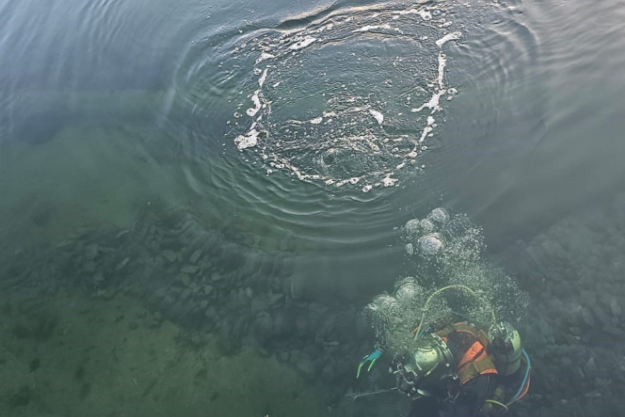
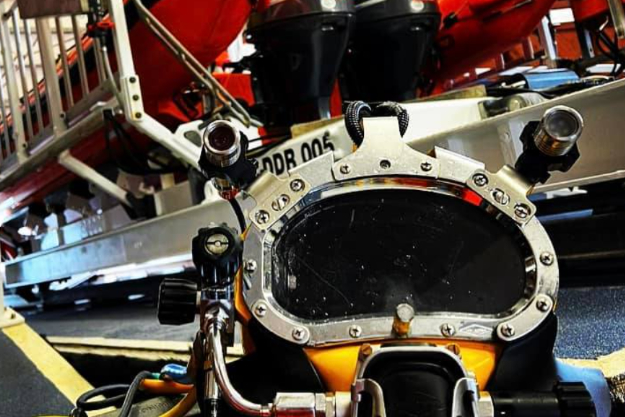
The Winter Challenges
Compressed Weather Windows
Weather windows become shorter and less predictable during winter months. What might be a straightforward three-day job in summer can stretch to weeks when you're waiting for safe conditions between storm systems. North Sea conditions are particularly notorious for rapid changes, with forecasts that can shift dramatically in just hours.
For project managers, this unpredictability creates scheduling headaches and budget concerns. Every day offshore involves vessel costs, crew standby time, and potential delays to the broader project timeline. The pressure to work safely whilst maintaining progress is intense.
Cold Water Physiological Risks
Cold water increases physiological risks for divers significantly. Hypothermia becomes a real concern, even with modern dry suits and thermal protection. Reduced dexterity from cold hands makes precision work harder and slower. Cold water also affects decompression schedules, as divers need longer decompression times in cold conditions, which reduces the amount of productive work that can be achieved in a single dive.
The human body simply performs differently in cold water. Tasks that take 30 minutes in temperate conditions might take 45 minutes or more when water temperatures drop below 8°C. This about basic physiology, rather than diver capability.
Vessel Positioning and Sea States
Vessel positioning becomes significantly more complex in heavy seas. Dynamic positioning systems work harder to maintain station, and even small movements at the surface translate to larger movements at depth. When you're trying to conduct precision work around turbine foundations, subsea structures, or performing detailed inspections, every metre of vessel drift matters.
Winter sea states also affect crane operations, lifting activities, and the deployment and recovery of diving equipment. What looks manageable on a weather forecast can feel very different when you're trying to safely recover divers in three-metre swells.
Reduced Daylight Hours
Reduced daylight hours compress the working day, particularly for surface support teams managing complex operations. While diving itself isn't dependent on natural light, many surface operations are. Equipment checks, maintenance, briefings, and preparation all benefit from daylight. When darkness comes at 4pm, it changes the rhythm and efficiency of operations.
For projects on tight deadlines, these shortened days can be the difference between completing on schedule or facing costly overruns.
How we dive safely and efficiently in the winter
Enhanced Weather Monitoring and Flexible Mobilisation
We work closely with marine forecasters to identify optimal weather windows days in advance. This allows us to keep teams on standby and mobilise rapidly when conditions allow, maximising productive time on site.
Our approach involves daily weather briefings, multiple forecast sources, and constant communication with vessel masters and project managers. We've learned that the key to winter efficiency isn't working in bad weather, but rather being ready to work the moment conditions improve.
This means maintaining equipment in a deployment-ready state, having dive teams available at short notice, and building contingency into project plans. While it seems more expensive to keep teams on standby, it's actually far cheaper than mobilising, only to sit idle waiting for weather.
Cold Water Protocols and Equipment
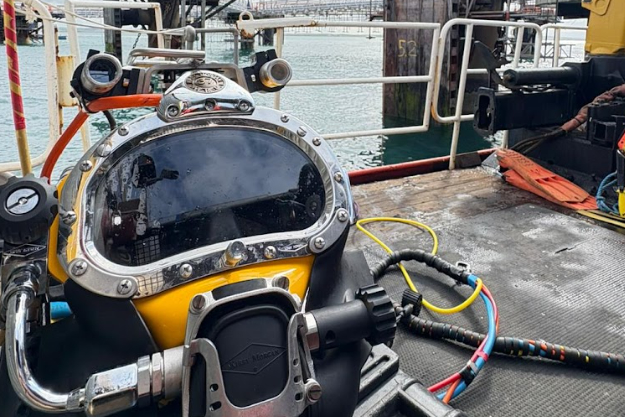
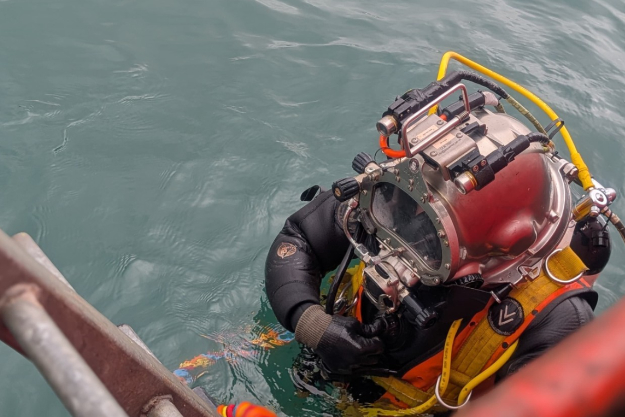
We use specialised dry suits, hot water systems, and modified dive schedules to protect our divers whilst maintaining work quality. Our teams train specifically for cold water operations to ensure they can perform at their best in challenging conditions.
Hot water suits, where appropriate, make a significant difference to diver comfort and capability. These systems pump heated water through the diver's suit, maintaining body temperature even in prolonged exposure to cold water. The investment in this equipment pays for itself in increased productivity and reduced fatigue.
We also modify our dive rotation schedules in winter. Rather than pushing divers to maximum bottom times, we use shorter, more frequent dives. This approach keeps our divers fresher, reduces cold exposure, and maintains consistent work quality throughout the project.
Efficient Task Planning
Winter jobs require meticulous pre-planning. We break complex tasks into smaller packages that can be completed within shorter weather windows. This approach ensures we make consistent progress even when conditions aren't perfect.
Before mobilisation, we conduct detailed dive planning sessions where we identify which tasks are weather-critical and which can be conducted in marginal conditions. Priority one tasks get the best weather. Lower priority work gets scheduled for the gaps between fronts.
This modular approach means that even a single day of good weather produces tangible results. Rather than needing a full week to complete a phase of work, we can achieve meaningful progress in 24 or 48-hour windows. It requires more planning upfront, but it delivers results when weather is limiting.
Night Operations Capability
When darkness comes early, proper lighting systems and experienced teams mean we can safely extend working hours where project schedules demand it. This flexibility helps keep projects on track despite reduced daylight.
Modern LED lighting technology has transformed night diving capabilities. High-intensity, focused lights allow divers to work with excellent visibility even in complete darkness. Combined with good camera systems for surface monitoring, night operations can be conducted with the same safety standards as daytime work.
We don't conduct night operations routinely, as the additional complexity and fatigue factors need to be carefully managed. But when project deadlines require it, having night-capable teams and equipment provides crucial flexibility.
Planning for Winter Success
Winter offshore work is about working smarter, not harder. The contractors who understand this avoid costly delays and keep their projects on schedule.
Key factors for successful winter operations include:
Building contingency into schedules. If your project plan assumes continuous working, winter will prove you wrong. Build realistic weather delays into your timeline.
Choosing experienced contractors. Winter diving requires mature judgment and extensive experience. Now is the time for proven capability, not the cheapest quote.
Investing in proper equipment. Cold water gear, weather monitoring, and standby capabilities cost money. But they cost far less than a project that's months behind schedule.
Maintaining flexibility. Rigid schedules and winter weather don't mix. Build in alternative work packages that can be tackled when priority tasks aren't possible.
Looking Ahead
The offshore renewables sector is expanding rapidly, with projects that can't afford to sit idle for six months waiting for summer weather. As the industry grows, so does the importance of contractors who can deliver year-round.
At Dagger Diving Services, we've invested in the equipment, training, and planning capabilities needed for reliable winter operations. Our team's military diving background means we're accustomed to working in challenging conditions as the norm, not the exception.
If you're planning offshore work this winter, or preparing for next year's cold weather operations, we'd welcome the opportunity to discuss your requirements. With our straightforward approach, we'll tell you what's realistically achievable, what it will take to get there, and we'll deliver on that commitment.
Winter weather creates challenges, but with the right preparation and experience, those challenges become manageable. The key is working with a team who understands that success in winter comes from respect for the conditions, not fighting against them.
Want to discuss your winter diving requirements? Contact our team on 01765 698616 or email info@daggerdivingservices.co.uk