Why NDT Inspections Are Essential for Asset Integrity
You can't manage what you can't measure, and you can't see what's happening inside steel without the right tools.
Offshore platforms, subsea pipelines, wind turbine foundations, bridge piers, and marine structures face relentless attack from their environment. Saltwater corrosion, cyclic loading, impact damage, and material fatigue work continuously to compromise structural integrity. The challenge for asset owners is straightforward: how do you know what's actually happening to your critical infrastructure before minor issues become major failures?
This is where non-destructive testing techniques become indispensable. At Dagger Diving Services, NDT forms the backbone of our inspection and asset integrity work. Here's why these techniques matter, and how they keep offshore and marine assets operating safely and efficiently.
The Cost of Not Knowing
Hidden Damage, Visible Consequences
The most dangerous damage is the damage you can't see. We've discovered this first-hand during routine inspections that uncovered serious problems.
During a standard class renewal inspection for Noble Drilling's semi-submersible platform, our divers found complete failure of the cathodic protection system. 228 anodes were depleted across both pontoons, and so what should have been a routine check became an emergency intervention. [LINK TO CASE STUDY] Without that inspection, the platform's steel structure would have faced rapid corrosion, potentially leading to class certification failure and operational shutdown.
The external structure looked fine from the surface, but underwater, the protection system had failed completely. This is exactly why systematic inspection using non-destructive testing techniques matters. You're finding problems before they become crises.
We've seen similar situations on bridges, where 70-year-old foundations hide their condition beneath silt and water. During our River Derwent bridge inspection for North Yorkshire County Council [LINK TO CASE STUDY], we found structural issues that needed addressing, but none so critical that the bridge required immediate closure. That's the value of planned inspection: you discover what needs attention whilst you still have time to plan repairs properly.
Class Certification and Compliance
For offshore platforms and commercial vessels, class certification isn't optional. Classification societies require underwater inspections at set intervals, and these inspections need to be thorough.
UWILD (Underwater Inspection In Lieu of Drydocking) allows platforms and vessels to maintain their class certification through detailed underwater inspection rather than expensive drydock visits. For a North Sea semi-submersible rig, drydocking means weeks of lost operational time and costs running into millions.
We've conducted UWILD inspections where ABS surveyors watched our dive camera feeds in real-time, directing divers to specific areas and confirming findings immediately. This direct communication means inspection results get immediate sign-off, and class certification continues without interruption.
Insurance coverage increasingly depends on demonstrable inspection records. Underwriters want evidence that assets are being properly maintained and monitored. Without comprehensive NDT data, securing coverage becomes difficult and expensive.
Non-Destructive Testing Techniques
Ultrasonic Thickness Measurement
Ultrasonic testing measures how much metal you've got left. For steel structures underwater, this matters enormously because you need to know if corrosion is eating away at load-bearing material.
During our Noble Drilling UWILD inspection, we used ultrasonic thickness gauges at critical structural weld zones to check for metal fatigue or thinning. The technique sends sound waves through the metal and measures how long they take to bounce back. For example, thinner metal means faster return times.
It's precise, reliable, and doesn't damage the structure. When you conduct these measurements regularly at the same locations, you can track corrosion rates and predict when sections might need reinforcement or replacement.
Magnetic Particle Inspection
MPI finds cracks you can't see. It's particularly useful for areas under stress, such as welds, structural connections, and load-bearing points where metal fatigue can develop over time.
The process magnetises the metal and applies particles that gather at crack locations. Even tiny surface cracks become visible, which is essential for catching problems early.
On offshore platforms, we use MPI extensively around structural welds and connections where cyclic loading from waves creates ongoing stress. Finding cracks when they're small means you can grind them out and repair them. Miss them, and they propagate until you're looking at major structural work.
Cathodic Protection Surveys
Cathodic protection systems prevent underwater steel from corroding. Sacrificial anodes, which are blocks of metal that corrode instead of the structure, need monitoring to ensure they're doing their job.
That Noble Drilling emergency we mentioned? The entire cathodic protection system had failed because the anodes were completely depleted. Our divers replaced 228 anodes over 14 intensive days, restoring protection before serious structural damage could occur.
Regular cathodic protection surveys measure whether protection levels are up to scratch, to help prevent expensive problems.
Close Visual Inspection
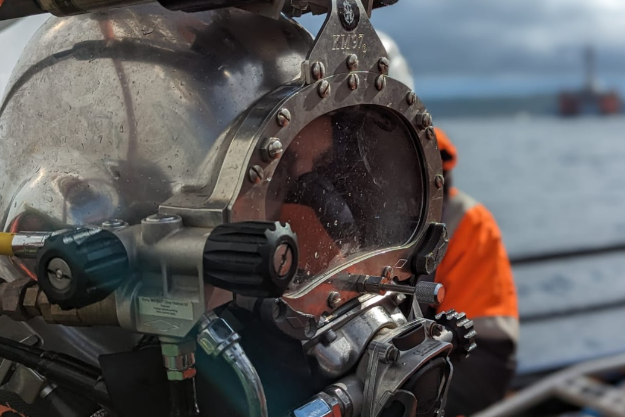
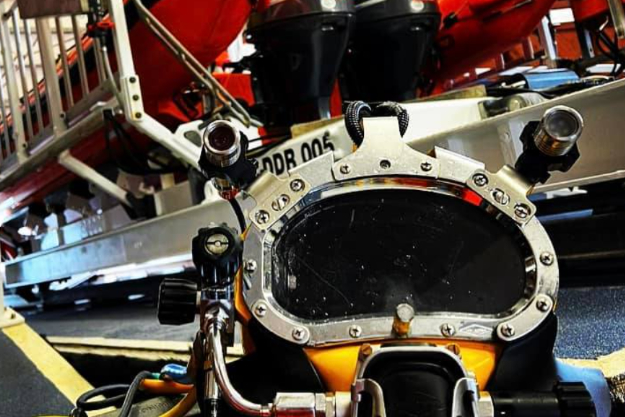
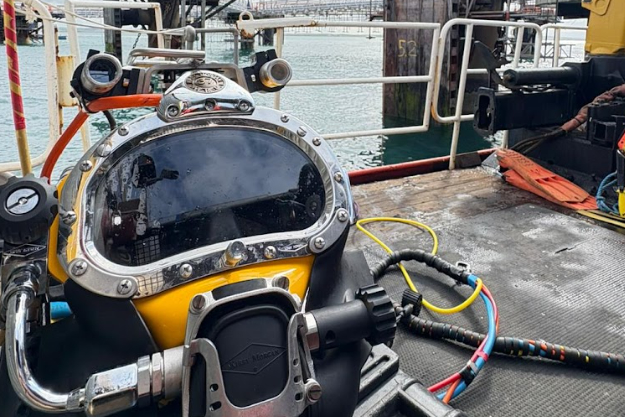
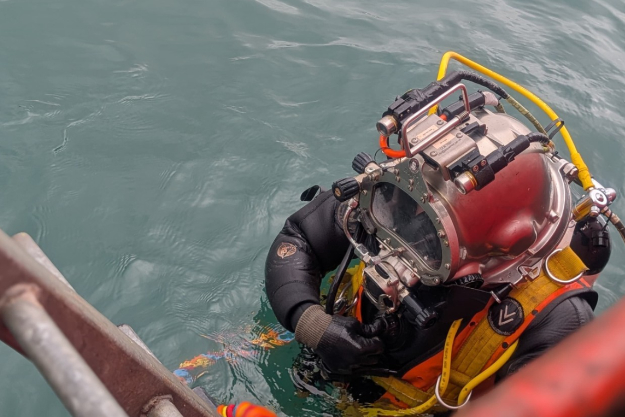
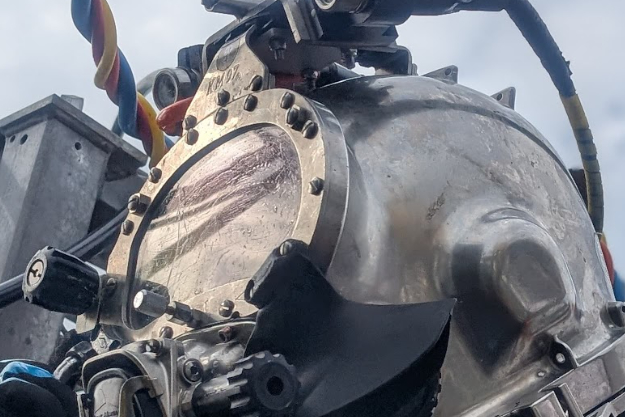
Advanced visual inspection remains fundamental. Modern HD helmet cameras allow our divers to document conditions in detail, whilst class surveyors and engineers watch from the surface.
During the Noble UWILD inspection, we systematically inspected seachests (water intake systems), thruster nozzles, hull plating, fairleads, and sea valves. The ABS surveyor could see exactly what our divers saw, direct them to specific areas, and confirm findings in real-time.
This immediate feedback eliminates the delays that come from reviewing footage later and having to remobilise if something needs a second look.
The Inspection Process That Delivers Results
Planning Before Mobilisation
Effective inspection starts with understanding what you're looking for and why. Before deploying, we work with asset owners and their engineers to identify critical areas and define clear objectives.
For that River Derwent bridge inspection, we reviewed hydrology data, planned around tidal flow patterns, and positioned scaffolded dive platforms beneath the bridge structure. This preparation meant we could complete the inspection in two days instead of the longer window originally allocated, and the highway stayed open throughout.
Real-Time Communication
Technology has changed how inspections work. When our divers deployed HD helmet cameras during the Noble UWILD inspection, the ABS surveyor watched live feeds and directed divers to specific areas requiring closer examination.
This real-time approach means immediate decision-making. If something needs a different inspection technique or a closer look, it happens during the same dive rather than requiring remobilisation. Proper Documentation
Inspection findings need clear documentation that supports decision-making. We provide detailed reports with measurements, photographic evidence, and practical recommendations.
When we found 12 structural anomalies during the River Derwent bridge inspection, none were critical. North Yorkshire County Council could plan maintenance work for later in the year rather than implementing emergency measures. Specific findings with clear implications is useful information.
When to Inspect
Planned Programmes
The most effective approach is systematic inspection at appropriate intervals. For offshore platforms, this typically means annual or biennial inspections of critical areas, with more detailed surveys on longer cycles.
Regular inspection lets you track how assets are performing over time. You're identifying degradation trends and planning maintenance efficiently, rather than reacting to failures. Pre-Certification Inspections
UWILD inspections for class renewal need careful timing. These inspections happen whilst assets are operational, which means efficient execution matters.
For the Noble semi-submersible project, we had five days to complete the inspection whilst the rig maintained its drilling operations in the North Sea. Our team worked in shifts to maintain progress regardless of weather, completing 18 dives in challenging conditions.
The result? Full class renewal without drydocking, saving significant time and cost whilst maintaining operational certification.
Emergency Response
When something unexpected happens, rapid inspection capability matters. That cathodic protection failure we found during routine inspection became an emergency operation. But because we were already mobilised with the right equipment and personnel, we could expand the scope immediately.
We completed both the original inspection and the emergency anode replacement within the same berthing window. That flexibility prevented schedule disruption and avoided the far higher costs of separate emergency mobilisation. Why Experience Matters
Conducting non-destructive testing techniques underwater requires more than just knowing how the equipment works. You need divers who can deploy inspection tools effectively in current, limited visibility, and challenging conditions.
Our team's military diving background means we're comfortable working in difficult environments. Whether it's a live semi-submersible platform in North Sea conditions, a shallow river with restricted tidal windows, or emergency operations under time pressure, we adapt techniques to the conditions we're facing.
We've inspected offshore platforms, bridge foundations, marine terminals, and subsea infrastructure. This breadth of experience means we understand the specific challenges different asset types present and can plan inspection approaches that deliver reliable results efficiently.
Planning Your Next Inspection
Asset integrity depends on knowing what's actually happening to your structures. Non destructive testing techniques provide that knowledge, allowing you to manage maintenance intelligently, satisfy class certification requirements, and prevent costly failures.
During our Noble Drilling work, we prevented a certification crisis and restored structural protection in one mobilisation. For North Yorkshire County Council, we provided the detailed structural data they needed to plan bridge maintenance without disrupting a critical highway.
These results come from combining proper non-destructive testing techniques with the diving experience to deploy them effectively underwater.
If you're planning inspection campaigns, establishing asset integrity programmes, or need rapid response to specific concerns about offshore or marine assets, we'd welcome the opportunity to discuss your requirements.
We'll tell you what inspection techniques will provide the information you need, what it will realistically take to conduct those inspections, and we'll deliver results you can rely on.
Asset integrity isn't about hoping your structures stay sound. It's about knowing they are, backed by systematic inspection using proven non-destructive testing techniques.
Need to discuss your NDT inspection requirements?
Contact our team on 01765 698616 or email info@daggerdivingservices.co.uk
